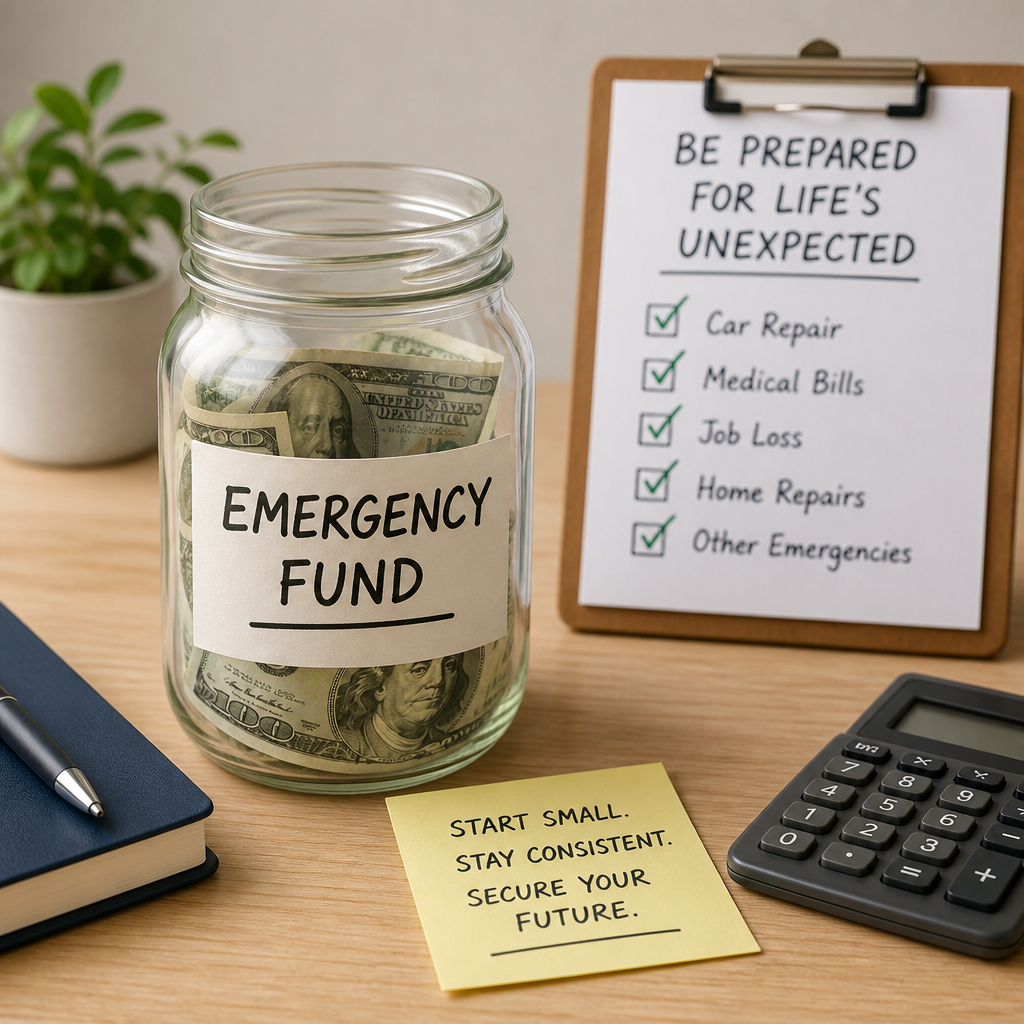
How to Build an Emergency Fund for Unexpected Expenses
An emergency fund is your financial safety net for life’s surprises, helping you cover unexpected expenses without falling into debt. With a simple plan and consistent saving, you can build real peace of mind one step at a time.
By: Mary Mitchell on July 28, 2026
An emergency fund for unexpected expenses is one of the most practical financial safety nets you can build. Life has a habit of surprising people at the worst possible time—car repairs, medical bills, job loss, a broken appliance, or a last-minute travel emergency. Without savings set aside, even a modest setback can push you into debt or force you to drain money meant for rent, groceries, or long-term goals.
The good news is that building an emergency fund does not require a huge salary or perfect discipline. It starts with a clear plan, a realistic target, and consistent action. Whether you are starting from zero or trying to strengthen your financial cushion, the steps below can help you build a fund that actually works when you need it most.
What an Emergency Fund Is and Why It Matters
An emergency fund is money you set aside specifically for urgent, unexpected, and necessary expenses. It is not a vacation fund, a shopping fund, or money for planned annual bills. It exists to protect your budget when life becomes unpredictable.
Common examples of emergency expenses
Car repairs after a breakdown
A sudden medical or dental bill
Job loss or reduced work hours
Emergency home repairs, like a leaking roof
An unexpected flight for a family emergency
Replacing essential appliances
A strong emergency fund gives you breathing room. Instead of reaching for a credit card or loan, you can use cash you have already saved. That can reduce stress and help you avoid long-term debt.
How Much Should You Save in an Emergency Fund?
The right amount depends on your situation, income stability, and monthly expenses. There is no single number that works for everyone, but a good starting point is to save enough to cover a small emergency first.
Start with a starter goal
If saving several months of expenses feels impossible right now, begin with a smaller target, such as:
$500
$1,000
One month of essential expenses
This first milestone matters because it helps you handle smaller shocks without borrowing.
Build toward a larger cushion
Once you reach your starter goal, continue growing the fund until it can cover 3 to 6 months of essential living expenses. If your income is irregular, you have dependents, or you work in a field with less stability, you may want a larger cushion.
Focus on essential expenses only
When calculating your target, include only the basics:
Housing
Utilities
Food
Transportation
Insurance
Minimum debt payments
Essential childcare or medical costs
You do not need to replace every dollar of normal spending. The goal is to keep life stable during a crisis.
How to Build an Emergency Fund Step by Step
Building an emergency fund for unexpected expenses becomes much easier when you break it into manageable steps. Small, repeated actions matter more than occasional big efforts.
1. Set a clear savings target
Choose a goal that feels specific and realistic. Instead of saying, “I want to save more,” define the amount you want to reach and the timeline you want to follow.
For example:
Save $1,000 in six months
Build one month of expenses by year-end
Reach three months of expenses over the next 18 months
A measurable target gives you something concrete to work toward.
2. Open a separate savings account
Keeping emergency savings in a separate account reduces the temptation to spend it. A separate high-yield savings account can be a smart option because it keeps the money accessible while earning some interest.
Look for an account that offers:
No monthly fees
Easy transfers
FDIC or NCUA insurance
Competitive interest rates
The key is convenience and safety, not risky growth.
3. Automate your savings
Automation is one of the easiest ways to build consistent savings. Set up an automatic transfer from checking to savings every payday, even if the amount is small.
Examples:
$25 per week
$50 every paycheck
5% of each direct deposit
When saving happens automatically, you are less likely to skip it or spend the money elsewhere.
4. Start with whatever you can afford
Many people delay saving because they think small amounts are not worth it. That mindset can stall progress. Saving $10 or $20 at a time still moves you forward.
The goal is momentum. Once saving becomes routine, you can increase the amount.
5. Use windfalls wisely
Unexpected money can give your emergency fund a fast boost. Consider directing some or all of the following into savings:
Tax refunds
Work bonuses
Cash gifts
Side income
Refunds from cancelled purchases
You do not need to save every extra dollar, but putting part of it aside can accelerate your progress.
6. Cut one or two expenses temporarily
You do not have to overhaul your entire lifestyle. Instead, look for one or two manageable changes:
Reduce takeout for a month
Cancel unused subscriptions
Pause a nonessential membership
Shop your pantry before buying groceries
Limit impulse purchases
Even small savings can add up when redirected into an emergency fund.
Practical Ways to Save Faster
If your goal is to build an emergency fund quickly, a few focused tactics can help.
Create a mini budget review
Review your spending for the last 30 days and ask:
Where did money go without much value?
Which expenses can I reduce immediately?
What spending habits happen automatically?
This simple check can uncover money you can redirect toward savings.
Use a “save first” mindset
Instead of waiting to see what is left at the end of the month, pay your emergency fund first. Treat savings like a bill you must pay.
A practical example:
Payday arrives
$40 transfers automatically to savings
The rest covers your regular budget
That approach prevents savings from becoming an afterthought.
Pair savings with habit triggers
Attach your emergency fund contribution to something you already do:
Every Friday
After each payday
When you pay your rent
When you review your budget
Habit stacking makes saving easier to remember and sustain.
Where to Keep Your Emergency Fund
Your emergency fund should be easy to access during a real emergency, but not so easy that you spend it casually.
Best places to store emergency savings
High-yield savings account
Traditional savings account
Money market account
A credit union savings account
These options provide liquidity and safety. In most cases, avoid investing emergency money in stocks or other volatile assets. The value can drop when you need the money most.
What to avoid
High-risk investments
Cash stored at home
Accounts with withdrawal delays
Savings tied up in long-term commitments
Emergency savings should be available fast. If you cannot access it quickly, it may not function as true emergency protection.
When to Use Your Emergency Fund
A healthy emergency fund for unexpected expenses works best when you use it only for genuine emergencies. That means the expense should be urgent, necessary, and not easily planned for in advance.
Good reasons to use it
A broken transmission
Urgent medical treatment
Emergency home plumbing repair
Temporary income loss
A necessary family travel emergency
Better handled another way
Holiday shopping
Planned car maintenance
A new phone upgrade
A weekend getaway
Nonessential home décor
If you are unsure whether something counts as an emergency, ask: “Is this urgent, necessary, and unexpected?” If the answer is no, try to handle it through your normal budget instead.
How to Rebuild After Using Your Emergency Fund
Using emergency savings is not a failure. In fact, that is what the fund is for. The important part is rebuilding it afterward.
Refill the fund as a priority
After an emergency, return to your savings plan as soon as possible. Even small contributions matter.
Adjust your budget if needed
If the emergency revealed a weak spot, make changes:
Increase automatic transfers
Reduce discretionary spending
Add a sinking fund for predictable irregular expenses
Set a new target amount if your needs have changed
Learn from the expense
Ask yourself:
Could I have prepared for this any better?
Do I need separate savings for car repairs or medical costs?
Was my emergency fund large enough?
That reflection can help you build a stronger financial plan over time.
Emergency Fund Tips for Different Situations
People build savings in different ways depending on their income and responsibilities. Here are a few practical approaches.
If your income is tight
Start with a tiny weekly amount
Save spare change or cash-back rewards
Focus on reaching $500 first
Look for one expense to reduce temporarily
If your income is irregular
Save a percentage of every payment
Build a larger cushion than average
Keep a closer watch on essential expenses
Hold a buffer in checking for timing gaps
If you have a family
Include child-related emergencies in your target
Review insurance coverage alongside your savings
Discuss the fund with your partner so everyone understands the purpose
Make sure the account is accessible in a crisis
If you are paying off debt
You may need to balance debt repayment and savings. In many cases, it helps to build a small starter emergency fund first, then focus on debt, then grow the fund further. That way, one emergency does not send you back into more debt.
Common Mistakes to Avoid
A few simple mistakes can weaken an emergency fund or slow your progress.
Spending the fund too casually
If you use emergency savings for non-emergencies, it may not be there when you really need it.
Keeping it mixed with everyday money
When savings and spending money sit in the same account, it is easier to lose track of your goal.
Setting a target that is too big too soon
A huge goal can feel discouraging. Start small, build confidence, then expand.
Not replenishing after use
An emergency fund only works if you rebuild it after withdrawals.
Trying to save without a plan
Random saving is better than none, but a plan makes your progress much more reliable.
Frequently Asked Questions
What is the first step in building an emergency fund?
The first step is to set a specific savings target. Many people begin with a starter goal like $500 or $1,000. After that, open a separate savings account and automate small transfers so saving happens consistently.
How much should I keep in an emergency fund?
A common target is 3 to 6 months of essential expenses. However, if that feels overwhelming, start with a smaller amount and build up gradually. The right number depends on your income stability, household size, and monthly obligations.
Should I invest my emergency fund?
In most cases, no. Emergency savings should be easy to access and low risk. A high-yield savings account or similar liquid account is usually better than stocks or other investments because the money needs to be available during a crisis.
Can I use my emergency fund for planned expenses?
No, planned expenses are better handled through budgeting or sinking funds. Emergency funds should be reserved for urgent, unexpected, and necessary costs. Using the fund for predictable expenses can leave you unprotected later.
How do I rebuild my emergency fund after using it?
Restart automatic savings as soon as possible. Review your budget, reduce nonessential spending if needed, and consider directing windfalls like tax refunds or bonuses into the fund. Rebuilding gradually is better than waiting until it feels easy.
Building an emergency fund for unexpected expenses is one of the smartest financial habits you can develop. It does not require perfection, a large income, or dramatic lifestyle changes. What it does require is consistency, patience, and a clear purpose. Start with a small target, keep the money in a separate account, and automate contributions whenever possible. Then increase your savings as your budget allows.
A well-built emergency fund can help you handle life’s surprises without derailing your finances. It gives you flexibility when a repair bill arrives, peace of mind during a job transition, and confidence that you can face unexpected costs without immediate debt. If you have been putting this off, today is a good day to begin. Open the account, set the first transfer, and take the first step toward a stronger financial cushion.
Mary S, CFP®, is a Certified Financial Planner with over 12 years of experience in personal finance, retirement planning, and wealth management. She writes educational content that helps readers understand financial concepts and make informed decisions based on reliable information.