WHO Warns Global Cancer Cases Could Nearly Double by 2050
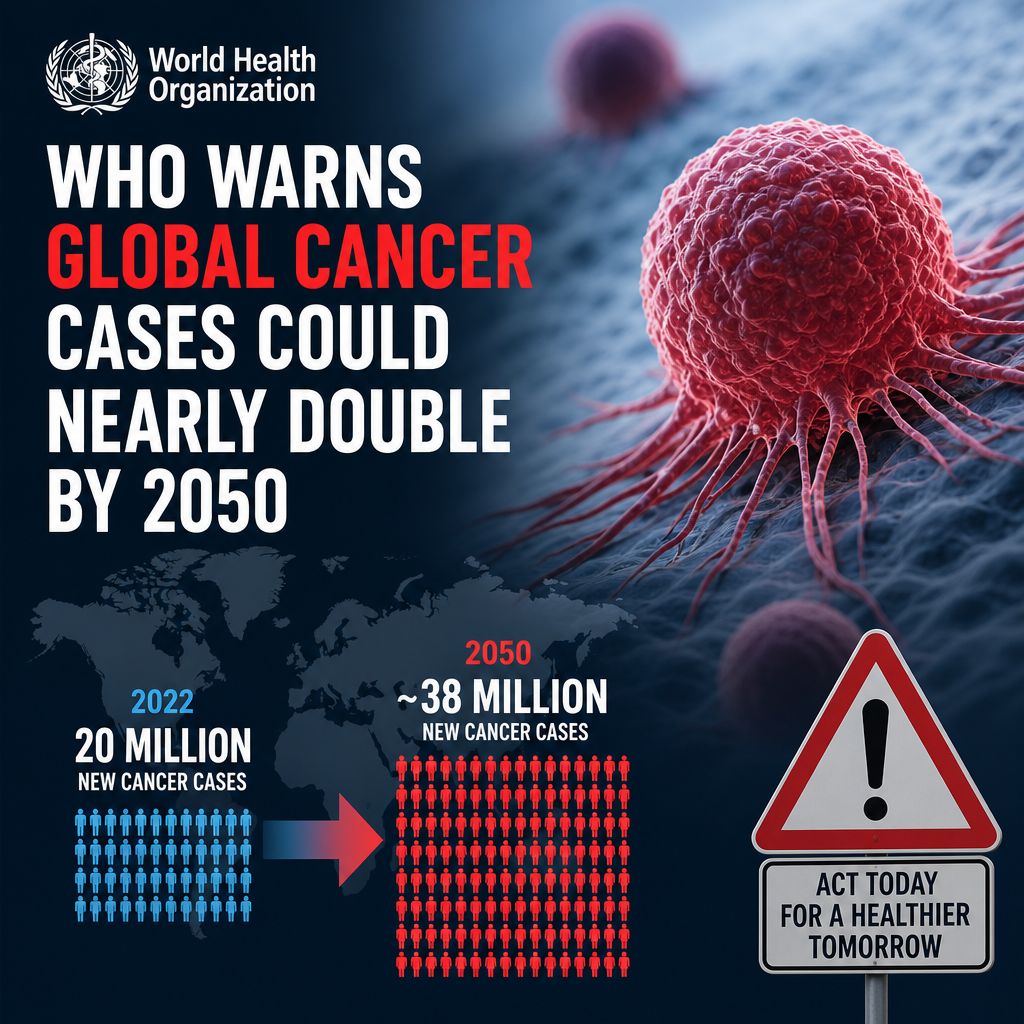
The WHO’s latest warning is a stark reminder that global cancer cases could nearly double by 2050 if urgent action isn’t taken. Understanding the drivers behind this rise can help people and health systems focus on prevention, early detection, and better access to care.
By: pedropadm2025@gmail.com on July 28, 2026
The latest warning from the World Health Organization has put a sharp spotlight on a growing global health crisis: WHO warns global cancer cases could nearly double by 2050 if current trends continue. That headline is more than a statistic—it is a reminder that cancer prevention, early detection, and access to care need urgent attention worldwide.
Cancer already affects millions of families, health systems, and economies. But the projected rise is especially concerning because it reflects multiple pressures happening at once: aging populations, lifestyle-related risks, environmental exposures, and gaps in diagnosis and treatment. In many countries, the healthcare system is not yet prepared for the level of demand that may come in the next few decades.
Understanding what this warning means can help patients, caregivers, policymakers, and communities make smarter decisions today. Below, we break down why cancer cases are expected to rise, which risk factors matter most, and what people can do to lower their risk.
What the WHO Warning Means
When WHO warns global cancer cases could nearly double by 2050, it is not predicting one single cause. Instead, it reflects the combined effect of demographic and public health trends that are already visible.
Key reasons cancer cases are projected to rise
Population growth: More people worldwide means more potential cancer diagnoses.
Aging populations: Cancer risk increases with age, and more countries are seeing larger older-adult populations.
Lifestyle risks: Tobacco use, obesity, alcohol use, poor diet, and low physical activity continue to contribute to preventable cancers.
Unequal access to care: Many cancers are detected too late because screening, pathology, imaging, and treatment are limited.
Environmental and occupational exposures: Air pollution, chemical exposures, and workplace hazards can increase risk.
This warning is not meant to create panic. It is meant to motivate action. Cancer is not one disease with one solution. It is a group of diseases shaped by biology, behavior, environment, and healthcare access.
Why the Projected Increase Matters
A near-doubling of cancer cases by 2050 would affect nearly every part of society. The impact would go far beyond hospitals and oncology clinics.
Health systems would face heavier demand
More diagnoses mean more:
Imaging and lab testing
Biopsies and pathology review
Surgery, chemotherapy, radiation, and follow-up care
Survivorship services and palliative care
In countries already facing workforce shortages, the strain could be severe.
Families would face greater emotional and financial stress
Cancer often affects the whole household. People may need:
Time off work
Transportation to treatment centers
Home caregiving support
Help managing medication and side effects
For many families, the financial burden is one of the hardest parts of a cancer diagnosis.
Prevention would become even more important
The best way to respond to rising cancer rates is not only to treat more people. It is also to prevent cancers where possible and catch them earlier when treatment is more effective.
The Most Common Risk Factors Behind Rising Cancer Rates
The warning from the WHO is rooted in well-known cancer risk factors. Many are modifiable, which means people and public health leaders can act on them.
Tobacco use
Tobacco remains one of the strongest known causes of cancer. Smoking and exposure to secondhand smoke are linked to multiple cancers, including lung, throat, mouth, bladder, and pancreatic cancers.
Quitting tobacco at any age can reduce risk over time.
Obesity and poor diet
Excess body weight and diets high in ultra-processed foods, added sugars, and unhealthy fats are associated with several cancers. A pattern of healthier eating can support overall health and lower risk.
Helpful habits include:
Eating more fruits and vegetables
Choosing whole grains
Limiting sugary drinks
Reducing processed meat intake
Paying attention to portion size
Alcohol use
Alcohol is a known cancer risk factor, even at moderate levels. It has been linked to cancers of the mouth, throat, liver, breast, and colon.
Reducing alcohol intake is one of the clearest lifestyle changes people can make to lower cancer risk.
Physical inactivity
Regular movement supports healthy weight, hormone balance, and immune function. It also helps reduce cancer risk.
A practical goal is to build more activity into daily routines:
Walking after meals
Taking stairs when possible
Scheduling exercise like an appointment
Breaking up long periods of sitting
Environmental and occupational exposure
Some people face higher risk because of where they live or work. Exposure to air pollution, asbestos, radon, and certain industrial chemicals can increase cancer risk. Strong workplace protections and public health regulations matter.
How Early Detection Can Save Lives
One of the most important reasons WHO warns global cancer cases could nearly double by 2050 is that late detection still causes many avoidable deaths. Detecting cancer early often improves treatment options and outcomes.
Screening helps catch some cancers before symptoms appear
Screening is especially valuable for certain cancers, such as:
Breast cancer
Cervical cancer
Colorectal cancer
Lung cancer in some high-risk adults
Screening does not prevent all cancers, but it can help find disease earlier, when treatment is often less invasive and more successful.
Symptoms should never be ignored
People should talk to a healthcare professional about persistent or unusual symptoms, such as:
Unexplained weight loss
A lump or thickening
Chronic cough or hoarseness
Blood in stool or urine
Unusual bleeding
A mole that changes shape or color
Ongoing pain without a clear cause
These symptoms do not always mean cancer, but they should not be dismissed.
What Governments and Health Systems Can Do
The WHO warning is also a policy issue. Cancer control requires coordinated action, not just individual behavior changes.
Strengthen prevention programs
Governments can reduce future cancer burden by expanding:
Tobacco control policies
Vaccination programs, including HPV and hepatitis B
Air quality protections
Workplace safety regulations
Public education on healthy living
Improve screening and diagnosis
Earlier diagnosis depends on strong primary care, referral pathways, pathology services, and diagnostic equipment. In low-resource settings, even basic access to testing can make a major difference.
Expand equitable treatment access
Treatment should not depend on geography or income. Health systems can improve outcomes by:
Increasing oncology workforce capacity
Making essential medicines available
Supporting rural and underserved populations
Reducing delays between diagnosis and treatment
Invest in cancer data and research
Good data helps countries understand where the burden is rising fastest and which interventions are working. Cancer registries, research programs, and surveillance systems are essential to planning.
What Individuals Can Do Today
The scale of the problem may feel overwhelming, but individual action still matters. Small decisions add up over time.
Lower your personal risk
You can reduce risk by:
Not smoking or quitting tobacco if you use it
Limiting alcohol
Staying physically active
Maintaining a healthy weight
Eating a balanced, fiber-rich diet
Protecting skin from UV exposure
Keeping up with recommended vaccinations
Following age-appropriate screening guidelines
Know your family history
Some cancers run in families. If you have a strong family history of cancer, especially at a young age, discuss it with a clinician. You may need earlier or more frequent screening or genetic counseling.
Keep up with preventive care
Routine checkups matter. Primary care visits are a good time to:
Review vaccination status
Discuss screening timelines
Talk about lifestyle habits
Ask about warning signs
The Role of Vaccines in Cancer Prevention
Vaccines are a powerful but sometimes overlooked cancer prevention tool. They do not treat cancer, but they can prevent certain infections that lead to cancer.
HPV vaccine
The human papillomavirus (HPV) is linked to several cancers, including cervical, anal, and some throat cancers. HPV vaccination can significantly reduce risk when given at the recommended ages.
Hepatitis B vaccine
Chronic hepatitis B infection can increase the risk of liver cancer. Vaccination helps prevent infection and supports long-term liver health.
Vaccination is one of the clearest examples of how prevention can reduce future cancer burden.
How Cancer Care Must Evolve by 2050
If WHO warns global cancer cases could nearly double by 2050, then cancer care systems must evolve quickly. Future care cannot rely only on late-stage treatment.
More patient-centered care
People facing cancer need more than medical procedures. They need:
Clear communication
Emotional support
Pain management
Nutrition guidance
Rehabilitation and survivorship care
Better use of technology
Telehealth, digital reminders, remote monitoring, and electronic records can improve coordination and reduce access barriers. These tools are not a replacement for in-person care, but they can make care more efficient.
Greater focus on equity
Cancer outcomes often differ by income, race, geography, and education. Addressing disparities should be part of every cancer strategy.
Practical Ways to Talk About Cancer Risk
Cancer can be hard to discuss, especially when people feel anxious or overwhelmed. A simple, direct conversation helps.
Questions you can ask a healthcare professional
Am I due for any cancer screenings?
Does my family history change my risk?
What symptoms should I watch for?
Are there vaccinations I should consider?
What lifestyle changes would help most in my case?
These questions can lead to meaningful prevention steps without creating unnecessary fear.
Frequently Asked Questions
1. Why does the WHO expect cancer cases to rise so sharply by 2050?
The projected increase reflects several trends happening at once, including population growth, aging populations, tobacco use, obesity, alcohol consumption, and unequal access to screening and treatment. As more people live longer, the overall number of cancer diagnoses is likely to rise unless prevention and healthcare access improve.
2. Does a higher number of cancer cases mean cancer is becoming more deadly?
Not necessarily. More cases mean more people are being diagnosed, but mortality depends on many factors, including how early cancer is found, whether treatment is available, and which type of cancer is involved. Some cancers are increasingly survivable when detected early, while others remain difficult to treat.
3. What are the most preventable causes of cancer?
Some of the most preventable risk factors include tobacco use, excess alcohol consumption, physical inactivity, obesity, and certain infections such as HPV and hepatitis B. While not every cancer can be prevented, lifestyle choices and vaccines can reduce risk for many people.
4. Which cancers are commonly detected through screening?
Common screening targets include breast cancer, cervical cancer, colorectal cancer, and lung cancer for certain high-risk adults. Screening recommendations vary by age, sex, family history, and personal risk factors, so it is important to follow guidance from a healthcare professional.
5. What should I do if I have a family history of cancer?
If cancer runs in your family, talk with a doctor about your risk. You may need earlier screening, more frequent follow-up, or genetic counseling. A family history does not guarantee you will develop cancer, but it can help guide prevention and screening decisions.
The warning that WHO warns global cancer cases could nearly double by 2050 should be taken seriously, but it should also be viewed as a call to action. The future is not fixed. Cancer risk can be reduced through prevention, vaccination, healthier daily habits, earlier screening, and stronger health systems that give more people timely access to diagnosis and treatment.
For individuals, the next step is practical: stop smoking, stay active, limit alcohol, keep up with screenings, and talk to a healthcare professional about your personal risk. For governments and health leaders, the priority is equally clear: invest in prevention, diagnosis, and equitable care before the burden grows further.
The message is urgent, but it is not hopeless. With coordinated effort, many cancers can be prevented, detected earlier, and treated more effectively. Learning the facts today is one of the best ways to protect health tomorrow.
Peter B holds a degree in Journalism and has 5 years of experience covering U.S. economic policy, labor markets, and financial news. He writes data-driven news content on topics like inflation, interest rates, and employment trends.