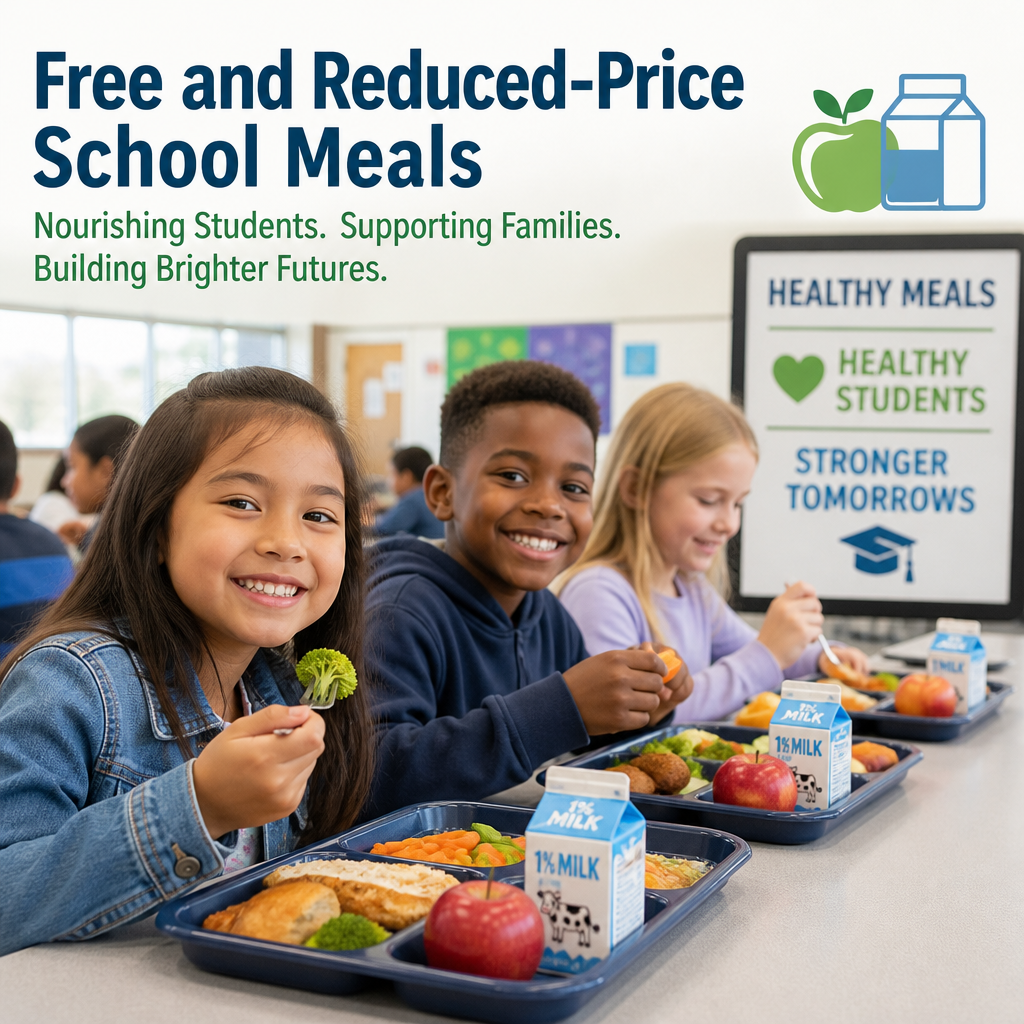
Free and Reduced-Price School Meals for Students Programs
Free and reduced-price school meals can help ensure children have the nutrition they need to learn, grow, and stay focused throughout the school day. Learn how these programs work, who qualifies, and what other meal support may be available to families.
By: Jennifer Collins - Education on July 28, 2026
Free and reduced-price school meals play an important role in helping students stay nourished, focused, and ready to learn. For many families, the cost of breakfast and lunch can add up quickly, especially during periods of rising food prices or changes in household income. That is why understanding free and reduced-price school meals matters for parents, guardians, and students who may qualify for support.
These meal programs are designed to make school nutrition more accessible for children in eligible households. Depending on where a student lives, families may also have access to summer feeding sites, after-school meals, or breakfast programs at school. Knowing how these options work can make it easier to get the help your family needs without unnecessary stress.
What Are Free and Reduced-Price School Meals?
Free and reduced-price school meals are meal benefits offered through school nutrition programs to students who meet income-based eligibility guidelines. In most public schools and many participating private or charter schools, eligible students can receive meals at little or no cost.
These programs are part of the broader school lunch and school breakfast systems, which aim to support student health and academic success. Schools typically serve meals that meet federal nutrition standards, so students get access to balanced options such as:
Fruits and vegetables
Whole grains
Lean protein
Milk or other approved beverage options
The specific foods offered vary by school district, but the goal is the same: help students get the nutrition they need during the school day.
How Free and Reduced-Price School Meals Work
Schools usually determine eligibility through a meal application or through direct certification with other assistance programs. Once approved, students can receive meals based on the benefit they qualify for.
Free Meal Benefits
Students approved for free meals can receive breakfast and lunch without paying at the point of service. In some schools, this may also cover other meal options, depending on the program and local policies.
Reduced-Price Meal Benefits
Students who qualify for reduced-price meals pay a lower amount than the full school meal price. Federal rules place limits on how much schools can charge for reduced-price breakfast and lunch, which helps keep meals affordable for eligible families.
Paid Meals
Families who do not qualify for free or reduced-price meals still have access to school meal programs by paying the standard meal price set by the school or district.
Who Qualifies for Free and Reduced-Price School Meals?
Eligibility is usually based on household income and size, though participation in certain assistance programs can also help determine qualification.
Income-Based Eligibility
Households may qualify if their income falls within the income limits set for the school year. These guidelines are updated periodically and are based on the number of people in the household.
Program-Based Eligibility
Students may also qualify automatically through participation in certain programs, such as:
Supplemental Nutrition Assistance Program (SNAP)
Temporary Assistance for Needy Families (TANF)
Medicaid in some states, if the state participates in direct certification matching
Foster care, homeless, migrant, or runaway status
Because rules can vary by state and district, it is always worth checking with the school or district food service office if you think your child may be eligible.
How to Apply for Free and Reduced-Price School Meals
Applying for free and reduced-price school meals is usually simple, but the process can look different depending on the district.
Step 1: Get the Application
Schools often provide meal applications at the beginning of the school year. You may also find them:
On the school district website
In student registration packets
Through the school’s main office or nutrition services department
Step 2: Fill Out Household Information
The application typically asks for:
Names of household members
Income information for each adult in the home
Information about public assistance program participation, if applicable
Signature of an adult household member
Be sure to answer every required question. Missing information can delay processing.
Step 3: Submit the Form
Return the application to the school district or designated office. Many districts now allow online applications, which can speed up the process and reduce paperwork.
Step 4: Wait for Approval
The school or district will review your application and notify you of the decision. If approved, the benefit usually applies for a set period during the school year, though families may need to reapply annually.
Why Free and Reduced-Price School Meals Matter
School meals do more than fill a lunch tray. They can affect a child’s ability to concentrate, participate, and maintain steady energy throughout the day.
Better Nutrition During the School Day
Children and teens often need regular meals to stay alert and focused. When students skip breakfast or do not have enough food at home, school meals can help close that gap.
Reduced Financial Pressure for Families
For many families, school meal benefits can ease the monthly grocery budget. Even a modest reduction in meal costs can make a difference when multiplied across several children and multiple school days.
Support for Student Attendance and Learning
While meal programs alone do not solve all barriers to learning, they can help remove one common obstacle: hunger. A student who has access to reliable meals may be more prepared to engage in class and participate in daily activities.
Other School Meal Programs Students May Be Able to Access
Free and reduced-price school meals are often part of a larger set of nutrition supports. Families should know about these related programs as well.
School Breakfast Programs
Many schools serve breakfast before classes begin. This can be especially helpful for students who leave home early or do not have time to eat in the morning.
Afterschool Meals and Snacks
Some schools and community sites participate in afterschool meal or snack programs. These programs can help bridge the gap between the end of the school day and dinner time.
Summer Meal Programs
When school is out, some communities offer summer meal sites that provide breakfast or lunch for children and teens. These programs are especially important for families who rely on school meals during the academic year.
Community Eligibility and Universal Meals
In some districts, schools may serve free meals to all students under community eligibility provisions or state universal meal policies. Even if meals are already free at a school, families may still need to complete an application for other benefits, such as fee waivers or program qualification.
Common Questions Families Should Ask
If you are unsure whether your child qualifies, a few straightforward questions can help you get clarity.
Does My Child’s School Participate?
Not every private school participates in the federal school meal program, and some public schools may have different procedures. Confirm participation with the school office or district nutrition department.
Is the Meal Application Confidential?
In most cases, yes. Schools handle meal applications confidentially. The information is used to determine eligibility and may also help schools secure funding for nutrition and related services.
What If My Income Changes During the Year?
If your household income changes, you may want to recheck eligibility or contact the school. Some families may qualify later in the year even if they did not qualify at the start.
Can I Apply Again Next Year?
Yes. Families generally need to reapply each school year unless they are automatically certified through an eligible program or the school district offers a different process.
Tips for Families Applying for School Meal Benefits
A few practical steps can make the process smoother and help avoid delays.
Apply as early as possible
Don’t wait until the school year is well underway. Early applications can help ensure benefits begin sooner.
Review income information carefully
Make sure you include all required household income sources and use the correct pay period or annual amount requested on the form.
Keep a copy of your submission
Save a copy of the application or confirmation receipt in case you need to follow up later.
Update the school if your contact information changes
A current phone number or email address helps the school reach you quickly with approval or follow-up questions.
Ask about other supports
Some districts also provide fee waivers, summer nutrition support, or backpack food programs through local partners.
A Practical Example
Imagine a family with two children in elementary school. One parent recently had a reduction in work hours, and the household budget is tighter than usual. They learn that their district offers free and reduced-price school meals and that they may qualify based on income.
After completing the application and receiving approval, the children are able to eat breakfast and lunch at school. The family saves money each week, and the children no longer worry about skipping meals before class. This kind of support can be small in form but significant in impact.
What If You’re Not Sure Whether You Qualify?
If you are uncertain, it is still worth applying. Many families assume they earn too much or that the process is too complicated, but the application is designed to determine eligibility fairly and confidentially.
You can also contact:
The school front office
District nutrition services
A school social worker or counselor
A local community organization that helps families complete applications
It is better to check than to miss out on help your child may be eligible to receive.
Frequently Asked Questions
1. How do I know if my child qualifies for free or reduced-price school meals?
Eligibility usually depends on household income, household size, or participation in certain public assistance programs such as SNAP or TANF. Some children may qualify automatically through direct certification or special status, such as foster care or homelessness. The best way to confirm is to submit an application or contact your school district’s nutrition office.
2. Do I need to apply every year?
In most cases, yes. Many families need to submit a new application each school year unless the student is automatically certified or the district uses another renewal process. If your family’s situation changes during the year, you may also want to ask whether you can reapply sooner.
3. Are school meal applications confidential?
Yes, schools generally treat meal applications as confidential documents. The information is used to determine eligibility and may also support school funding and related programs. It is not meant to be shared broadly with other families or students.
4. What if my family’s income is slightly above the guideline?
You should still review the current eligibility guidelines and consider applying if you are unsure. Household circumstances can vary, and some families qualify through participation in assistance programs even if their income appears above the threshold. A quick check with the school can help clarify your options.
5. Can my child get breakfast and lunch through these programs?
Yes, many students who qualify for free or reduced-price school meals can receive both breakfast and lunch on school days, depending on what the school offers. Some schools also provide afterschool snacks or summer meal options through related programs.
Free and reduced-price school meals can make a meaningful difference for students and families. These programs help children get the nourishment they need to learn, grow, and stay energized throughout the school day while also reducing financial pressure at home. Whether a family qualifies through income guidelines, public assistance programs, or special circumstances, the application process is designed to connect students with support in a practical and confidential way.
If you think your child may be eligible, taking a few minutes to review the school meal application can be well worth the effort. In addition to breakfast and lunch, many communities also offer afterschool and summer meal options that extend support beyond the regular school day. Understanding these programs gives families more ways to plan ahead and make sure children have reliable access to healthy food.
For parents, guardians, and caregivers, the next step is simple: check with your school district, review the current eligibility rules, and apply if needed. A small action today can help create a steadier, healthier school experience tomorrow.
Jennifer, M.Ed., holds a degree in Higher Education Administration, with
a focus on U.S. college financial aid, admissions policy, and student
support systems. She researches and writes about scholarships, federal
aid programs, and the college planning process to help students and
families make informed, well-supported decisions.