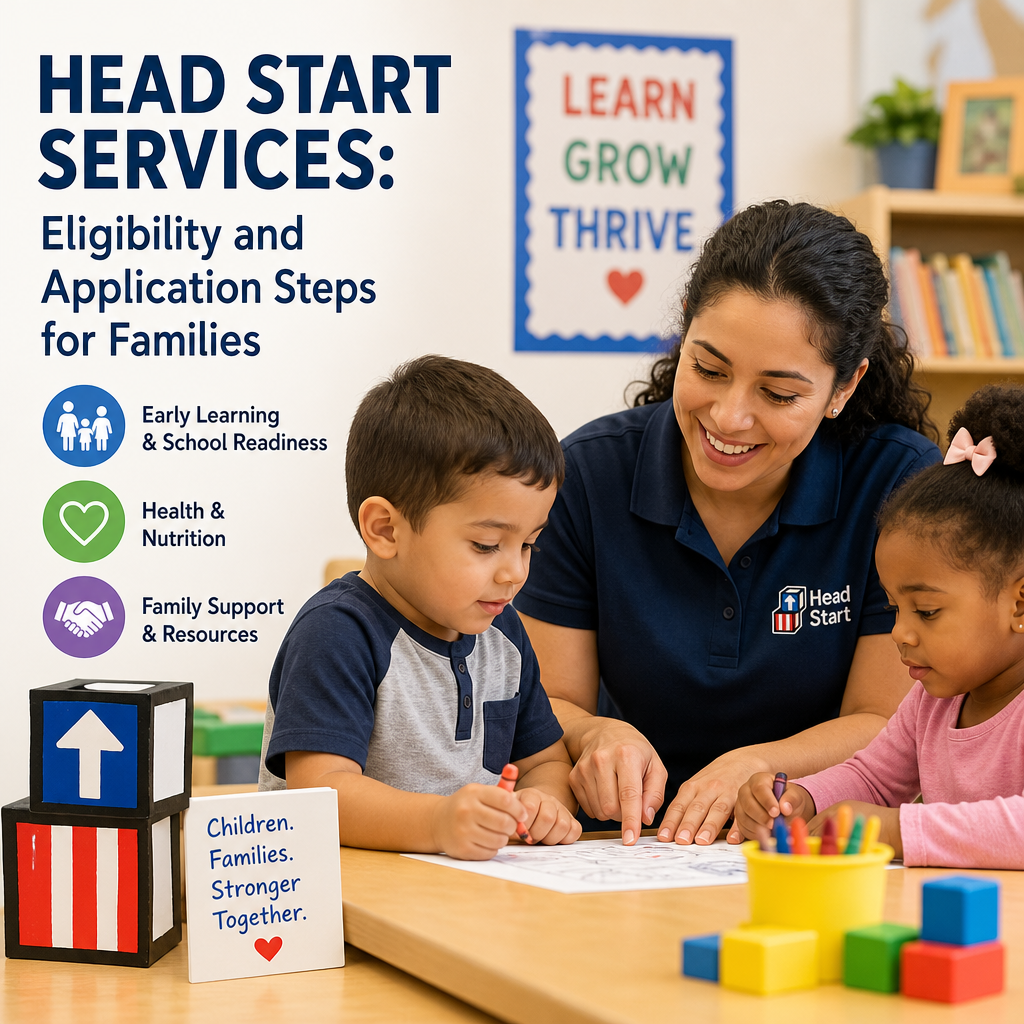
Head Start Services: Eligibility and Application Steps for Families
Head Start services give eligible families access to early learning, health, and support programs that help young children thrive before kindergarten. In this guide, you’ll learn who qualifies and how to apply so you can take the next step with confidence.
By: Emily Adams on July 29, 2026
If you’re searching for reliable early childhood support, Head Start services can be a powerful resource for your family. These programs help young children build early learning, health, and social-emotional skills while also supporting parents and caregivers. For many families, Head Start services are not just about preschool—they’re about creating a stronger foundation for school and life.
Understanding who qualifies, what the application process looks like, and how to prepare can make everything feel much less overwhelming. Whether you’re new to Head Start or just need a clearer picture of the next steps, this guide breaks it down in simple terms.
What Are Head Start Services?
Head Start services are federally funded early childhood programs designed to support low-income families with young children. The programs focus on school readiness and family well-being through a combination of education, health, nutrition, and social services.
There are several types of Head Start services, including:
Head Start for children ages 3 to 5
Early Head Start for infants, toddlers, and pregnant women
Migratory and seasonal Head Start programs for eligible families with specific work-related needs
American Indian and Alaska Native Head Start programs serving tribal communities
These programs often operate through local agencies, schools, and nonprofit organizations. While services can vary by location, many programs offer:
Early learning activities
Developmental screenings
Meals and snacks
Health and dental referrals
Mental health and family support
Parent involvement opportunities
Help connecting with community resources
The goal is not only to prepare children for kindergarten, but to help families address barriers that may affect a child’s growth and stability.
Who Is Eligible for Head Start Services?
Eligibility for Head Start services is based on federal guidelines, but local programs may have additional priorities depending on community needs and available space.
Age Requirements
Children must meet the age criteria for the specific program:
Head Start: Generally for children ages 3 to 5, before kindergarten eligibility
Early Head Start: For pregnant women, infants, and toddlers under age 3
Some programs also serve children with disabilities, developmental delays, or special health needs, provided they meet the program’s age and income requirements.
Income Guidelines
Most families qualify based on household income. In general, children are eligible if family income is at or below the federal poverty level, though programs may also consider families receiving certain public assistance benefits.
A child may also qualify automatically if the family receives or is eligible for services such as:
Supplemental Nutrition Assistance Program (SNAP)
Temporary Assistance for Needy Families (TANF)
Supplemental Security Income (SSI)
Foster care placement
Homelessness assistance
Because local programs can prioritize specific groups, families with incomes above the usual threshold may still be considered if slots are available.
Special Circumstances That May Help Families Qualify
Many Head Start programs give priority to children and families facing significant challenges. These may include:
Homelessness
Foster care
Disability
Family instability
Limited English proficiency
Parent or caregiver health concerns
Exposure to trauma or domestic violence
Rural or isolated living conditions
If your family is going through a difficult time, it is still worth applying. Eligibility decisions often involve more than income alone, especially when programs have additional funding or priority slots.
Why Head Start Services Matter for Families
Head Start services offer more than classroom learning. They can help reduce stress for families by providing dependable support during a child’s earliest years.
Benefits for Children
Young children who participate in Head Start may have access to:
Structured learning routines
Socialization with peers
Early identification of developmental needs
Healthy meals and snacks
Regular health and dental checkups
These supports can help children feel safer, learn faster, and transition more smoothly into kindergarten.
Benefits for Parents and Caregivers
Head Start also supports adults. Depending on the program, families may receive help with:
Parenting education
Employment goals
Housing and transportation referrals
Child development information
Mental health support
Goal setting and family planning
That family-centered approach is one of the reasons Head Start services are so valuable. The program recognizes that when parents are supported, children are more likely to thrive.
How to Apply for Head Start Services
The application process is usually straightforward, but it can vary by local program. Still, most families will follow a similar path when applying for Head Start services.
Step 1: Find a Local Program
Head Start is not one single national school or center. It is a network of local providers. Start by identifying programs in your area.
You can usually find local options by:
Searching the official Head Start program locator
Contacting your state or local early childhood office
Calling community action agencies, schools, or family resource centers
Asking pediatricians, WIC offices, or social workers for referrals
Make a list of nearby programs and note whether they offer Head Start, Early Head Start, or both.
Step 2: Contact the Program
Once you identify a local program, call or visit to ask about openings and application timelines. Some programs have year-round enrollment, while others may have waiting lists or specific intake periods.
When you contact the program, ask:
What ages they serve
Whether they have openings now
Which documents you need
How long the review process takes
Whether transportation is available
What services are included
This is also a good time to ask about languages spoken, disability supports, and classroom schedules.
Step 3: Gather Required Documents
Most programs will ask for documentation to confirm your child’s age, household income, and family situation. Having everything ready can speed up the process.
Common documents include:
Child’s birth certificate
Proof of address
Proof of income, such as pay stubs or tax forms
Public benefits documentation, if applicable
Immunization records
Health or dental records
Custody or guardianship papers, if relevant
Proof of homelessness or foster care status, if applicable
If you are missing something, don’t wait to ask for help. Program staff may explain acceptable alternatives or help you find copies.
Step 4: Complete the Application
Applications may be available online, by mail, or in person. Some programs also allow phone-based intake followed by a follow-up appointment.
Be prepared to provide:
Child’s name, age, and date of birth
Parent or guardian contact information
Household size
Income information
Current living situation
Any special needs or concerns
Answer honestly and completely. Incomplete information can delay a decision.
Step 5: Participate in Screening or Interview
After the application is submitted, the program may schedule an interview or screening. This helps staff learn more about your family and confirm eligibility.
During this step, they may ask about:
Your child’s development
Family routines and needs
Health concerns
Employment or school schedules
Transportation barriers
Preferred language or communication needs
This is not meant to judge your family. It helps the program understand how to best support your child and whether Head Start services are a good fit.
Step 6: Wait for Placement or Enrollment Decision
If space is available and your family qualifies, the program will let you know next steps. If there is a waiting list, ask how they prioritize applicants and whether you should check back regularly.
Even if you are not accepted right away, do not assume the answer is permanent. Openings can happen throughout the year as families move or circumstances change.
What Happens After Your Child Is Accepted?
Once your child is enrolled, you’ll usually attend an orientation or first-day meeting. The program may review:
Daily schedules
Attendance expectations
Health and nutrition services
Parent involvement opportunities
Classroom policies
Transportation procedures, if offered
Some programs also create an individualized plan for children with developmental needs or health concerns. If your child receives speech therapy, early intervention, or other services, Head Start staff may coordinate with outside providers when appropriate.
Staying Involved Matters
Head Start works best when families stay engaged. You may be invited to:
Volunteer in the classroom
Attend parent meetings
Meet with teachers regularly
Participate in home visits
Set family goals with staff
Even small levels of involvement can strengthen the connection between home and school.
Tips to Make the Application Process Easier
Applying for Head Start services may feel like one more thing on a long to-do list, especially if your family is already juggling work, caregiving, and finances. These practical tips can help.
Stay Organized
Keep your documents in one folder or envelope. Include:
Copies of IDs
Proof of income
Medical records
Contact information for the program
If possible, make digital copies too.
Apply Early
Openings can fill quickly, especially in areas with high demand. Applying early may improve your chances of getting a spot.
Be Honest About Your Needs
If your family needs transportation, language support, or disability accommodations, say so. Programs can better support you when they know your situation.
Follow Up
If you do not hear back, check in politely. A simple follow-up call can show that you are still interested and help move the process along.
Ask for Help
If the application feels confusing, ask a staff member, caseworker, or trusted community organization to walk you through it. Many families need support the first time they apply.
Common Mistakes to Avoid
A few avoidable errors can slow down enrollment or lead to confusion.
Missing Documents
Not submitting the right paperwork is one of the most common delays. Ask for a checklist early and review it carefully.
Waiting Too Long to Apply
Some families wait until school starts or until they absolutely need childcare. Applying ahead of time gives you more options.
Ignoring Follow-Up Calls or Emails
Programs may reach out for missing information or to schedule an interview. If they cannot reach you, your application may stall.
Assuming You Do Not Qualify
Families sometimes assume they earn too much or do not fit the “typical” profile. Since local programs can use priority criteria, it is often worth applying even if you are unsure.
Head Start Services and Other Early Childhood Options
If Head Start is not available right away, you may want to explore other early childhood resources while you wait. These can include:
State pre-K programs
Child care subsidies
Early intervention services
Public preschool through school districts
WIC or nutrition programs
Home visiting programs
Family resource centers
Head Start services may also work alongside some of these options, depending on your child’s needs and local program rules.
Frequently Asked Questions
What is the main purpose of Head Start services?
The main purpose of Head Start services is to support school readiness and family well-being for young children from eligible households. The program combines early learning, health screenings, nutrition support, and family services to help children build a strong foundation before kindergarten.
Can my family qualify if we do not receive public assistance?
Yes. Many families qualify based on income alone, even if they do not receive benefits like SNAP or TANF. Some programs also consider special circumstances such as homelessness, foster care, or disability. If you are unsure, it is still worth applying.
Do Head Start services cost money?
Head Start services are generally free for eligible families. Because the program is federally funded, most parents do not pay tuition. However, availability can vary by location, and some related services may depend on local program structure.
How long does the application process take?
The timeline depends on the local program, the number of applicants, and how quickly you provide documents. Some families hear back quickly, while others may be placed on a waiting list. It helps to apply early and follow up if needed.
Can children with disabilities or special needs participate?
Yes. Head Start programs are designed to serve children with disabilities and developmental needs alongside other eligible children. Programs may provide accommodations, screenings, referrals, or coordination with early intervention services.
Head Start services can make a meaningful difference for families by supporting early learning, health, and overall stability during a child’s most important developmental years. For eligible families, the program offers more than preschool—it provides a network of care that can help children grow and help parents feel less alone in meeting daily challenges.
The application process is usually manageable once you understand the steps: find a local program, gather your documents, complete the application, and follow through with any interviews or screenings. If you are unsure whether your family qualifies, apply anyway. Many programs consider more than income, and local staff can often guide you through the details.
Taking the first step may feel small, but it can open the door to long-term support for your child and your household. If your family could benefit from early learning, health services, and stronger school readiness, exploring Head Start services is a smart place to begin.
Emily A, holds a Master's degree in Public Administration (MPA) and has over 7 years of experience researching federal and state assistance programs. She writes educational content focused on government benefits, public policy, and community resources, using information from official agencies to help readers understand available programs and eligibility requirements.