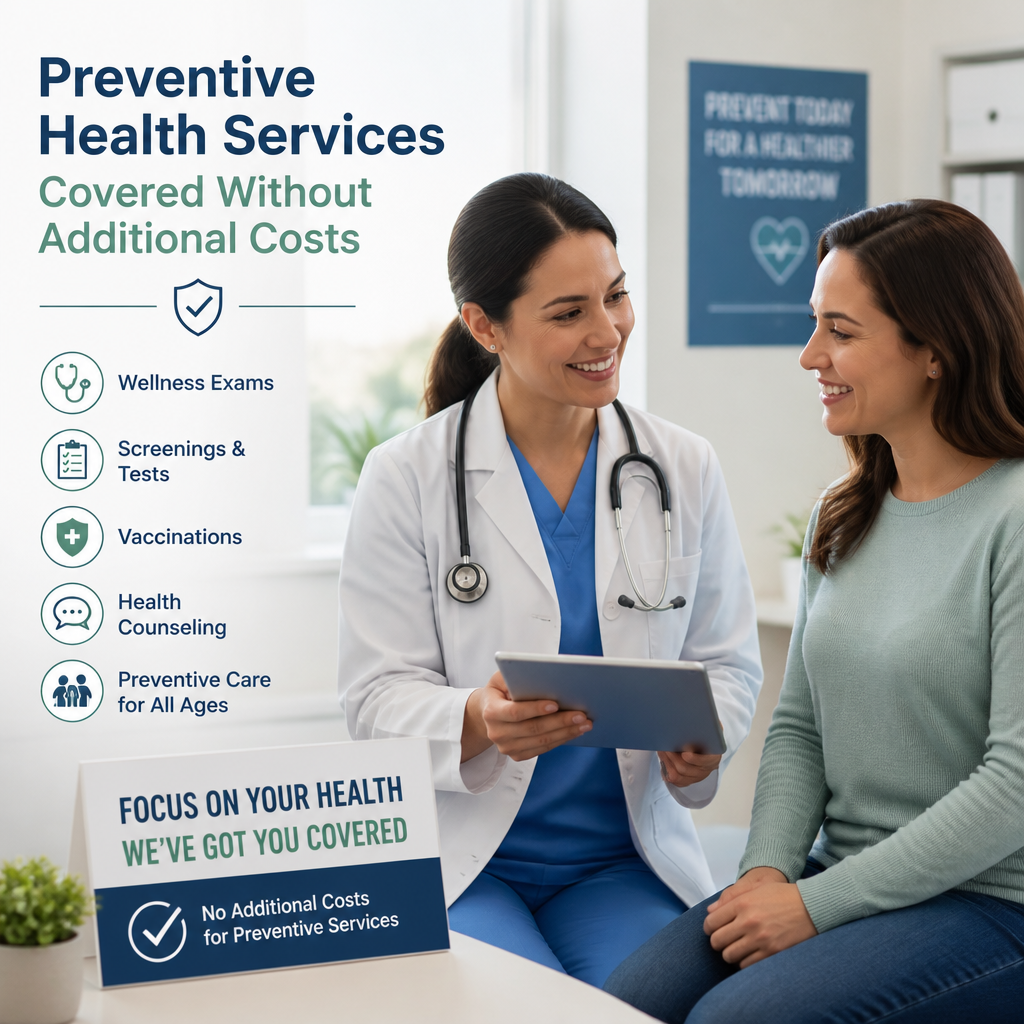
Preventive Health Services Covered Without Additional Costs
Preventive care can help you stay healthy by catching issues early, before they become bigger problems. Learn which services may be covered without additional costs and how they can support your long-term wellness.
By: Emily Adams on July 29, 2026
Preventive health services covered without additional costs can make it easier to stay on top of your health without worrying about surprise bills. From routine checkups to screenings and vaccines, these benefits are designed to catch problems early, support healthy habits, and reduce the risk of more serious conditions later.
Many people skip care because they assume it will cost too much or because they only seek treatment when they feel sick. But preventive care works differently. It focuses on keeping you well, identifying risk factors early, and helping you avoid larger medical issues down the road. When used correctly, preventive health services can save time, reduce stress, and support long-term wellness.
What Are Preventive Health Services Covered Without Additional Costs?
Preventive health services covered without additional costs are medical services that many health plans provide at no out-of-pocket cost when you use in-network care and follow plan rules. These services usually include screenings, immunizations, and routine visits meant to prevent disease or detect it early.
Instead of waiting until symptoms appear, preventive care helps you and your provider stay ahead of potential concerns. Depending on your age, sex, health history, and risk factors, the exact services covered may vary. Still, the overall goal is the same: promote early detection and healthier outcomes.
Common examples include:
Annual wellness visits
Blood pressure checks
Cholesterol screenings
Certain cancer screenings
Vaccinations
Depression and anxiety screenings
Counseling for smoking cessation
Obesity and nutrition counseling
These services are often included under preventive care guidelines, but coverage can differ by plan and by how the service is billed.
Why Preventive Care Matters
Preventive care is one of the simplest ways to take a proactive role in your health. It can help identify conditions before they become harder and more expensive to treat.
It helps catch issues early
Many chronic conditions, such as high blood pressure, diabetes, and some cancers, may not cause obvious symptoms at first. Regular screenings can reveal warning signs before the condition progresses.
It supports healthier habits
Preventive visits often include guidance on nutrition, physical activity, mental health, sleep, and substance use. This can help you build realistic habits that improve daily life.
It may reduce long-term costs
Even when a preventive service is covered at no additional cost, it can prevent future medical expenses by reducing the need for more intensive care later.
It builds a relationship with your provider
Seeing a primary care clinician regularly makes it easier to discuss concerns early, track changes over time, and create a care plan that fits your needs.
Common Preventive Health Services Covered Without Additional Costs
While exact coverage depends on your health plan, many plans cover a broad set of preventive services. Here are some of the most common categories.
Routine wellness visits
A yearly physical or wellness exam gives your provider a chance to review your overall health, update your medical history, and discuss concerns. For many adults, these visits are covered as preventive care when billed correctly.
Immunizations and vaccines
Vaccines help prevent contagious diseases and protect both individuals and communities. Common examples include:
Flu shots
COVID-19 vaccines
Tdap or tetanus boosters
Shingles vaccines
Hepatitis vaccines
Childhood vaccines
Coverage may vary by age, health status, and plan type, but many recommended vaccines are included as preventive services.
Screenings for chronic conditions
Screenings can identify risk factors or early signs of disease. Common examples include:
Blood pressure screening
Cholesterol testing
Diabetes or prediabetes screening
Body mass index (BMI) assessment
These services are especially useful if you have a family history of certain conditions or other risk factors.
Cancer screenings
Many health plans cover preventive cancer screenings based on age and risk. Examples may include:
Mammograms
Cervical cancer screening
Colorectal cancer screening
Lung cancer screening for eligible individuals
Prostate cancer discussions and testing in some cases
Your provider can help determine which screenings make sense for you and when to start.
Behavioral health screenings
Mental health matters just as much as physical health. Preventive care may include screenings for depression, anxiety, alcohol misuse, and substance use disorders. Early identification can make it easier to access support before problems worsen.
Counseling and education services
Some plans cover preventive counseling that helps people make healthier choices, such as:
Tobacco cessation counseling
Weight management support
Breastfeeding support
Nutrition counseling
Safe sexual health counseling
These services often work best when tailored to your lifestyle, goals, and medical history.
How Preventive Health Services Covered Without Additional Costs Usually Work
To understand how these services are paid for, it helps to know what “without additional costs” really means.
In-network care usually matters
Most health plans require you to use in-network providers to receive preventive services at no additional cost. If you visit an out-of-network clinician, you may be charged for part or all of the visit.
The service must qualify as preventive
A visit or test can only be covered as preventive if it meets the plan’s rules. If your provider addresses a new symptom, illness, or injury during the same appointment, the visit may no longer be billed solely as preventive care.
For example:
A routine checkup may be preventive
The same visit could generate charges if you also discuss chest pain, a rash, or a new medical issue that requires diagnosis or treatment
Billing details can affect costs
Sometimes a service that seems preventive can be billed as diagnostic if it is used to investigate a problem. That’s why it’s important to ask how the visit will be coded and whether any costs might apply.
Age and risk factors matter
Some screenings are only recommended for certain age groups or risk categories. A service may be fully covered for one person but not another if it falls outside the recommended guidelines.
How to Make Sure You Use Preventive Benefits Correctly
A little planning can help you avoid unexpected charges and get the most from your coverage.
Review your plan details
Check your health plan summary or member portal to understand:
Which preventive services are covered
Whether you need to use in-network providers
Which age-based screenings are included
Whether referrals are required
If anything is unclear, call the number on your insurance card and ask for specifics.
Schedule a preventive visit
When booking an appointment, say you want a preventive or annual wellness visit. That helps the office schedule the visit correctly and bill it as preventive care when appropriate.
Prepare a list of topics
Write down questions before your appointment. If you have several concerns, consider whether they should be addressed during a separate visit to avoid turning a preventive appointment into a diagnostic one.
Ask about coding and billing
If you are unsure whether a test or service will be billed as preventive, ask:
Is this service covered as preventive care?
Will it be billed as a wellness visit or diagnostic visit?
Are there any copays, deductibles, or lab fees I should expect?
These questions can prevent confusion later.
Keep track of recommended screenings
Make a simple calendar or health checklist with dates for:
Annual exams
Vaccines
Blood pressure checks
Cancer screenings
Dental and vision visits, if covered
Staying organized makes it easier to keep up with care.
Real-Life Examples of Preventive Care in Action
Preventive care becomes more meaningful when you see how it works in everyday life.
Example 1: Catching high blood pressure early
A 42-year-old goes in for a routine wellness exam and learns their blood pressure is higher than normal. Because the issue is caught early, they make lifestyle changes and follow up with their provider before it turns into a more serious condition.
Example 2: Staying current on vaccines
A parent brings their child in for a checkup and receives a vaccine schedule update. By keeping immunizations current, they help protect the child from preventable illness and reduce the risk of missing school or work.
Example 3: Screening for depression
During an annual visit, an adult completes a mental health screening and identifies signs of depression they had been ignoring. With early support, they connect with counseling and improve their daily functioning.
Example 4: Preventing a costly surprise
Someone schedules what they believe is a preventive screening, but they also bring up a recent symptom that needs evaluation. The provider explains that the concern may be billed separately. Because the person asked ahead of time, they can plan for any possible charges instead of being surprised later.
Common Mistakes to Avoid
Even when preventive health services covered without additional costs are available, people sometimes miss out because of a few common mistakes.
Assuming every visit is free
Preventive coverage is specific. If a visit becomes diagnostic, or if you use an out-of-network provider, you may still owe money.
Skipping care because you feel fine
Many conditions develop silently. Waiting until symptoms appear can mean missing the chance to catch a problem early.
Not asking questions before the appointment
A quick call to your insurer or provider can clarify what is covered and what might not be.
Ignoring age-based reminders
Certain screenings become important at different life stages. Keep an eye on recommended schedules rather than waiting for symptoms.
Forgetting follow-up care
If a screening shows something unusual, follow-up testing may be needed. Preventive care works best when you complete the recommended next steps.
Who Benefits Most From Preventive Health Services?
The short answer is: almost everyone. Preventive care is useful at every stage of life, from childhood through older adulthood.
It is especially important for people who:
Have a family history of chronic illness
Manage a long-term condition
Are pregnant or planning pregnancy
Use tobacco or alcohol heavily
Have limited access to medical care
Want to stay current on vaccines and screenings
Even if you feel healthy, preventive services can help you maintain that health longer.
Questions to Ask Your Provider
If you want to use preventive benefits wisely, ask your clinician these questions:
Which preventive services do I need this year?
Are any screenings or vaccines recommended based on my age or risk factors?
Will this appointment stay preventive if I mention other concerns?
Are the labs or tests likely to be covered without additional costs?
What follow-up care should I plan for if a screening shows something unusual?
These questions can help you make informed decisions and avoid billing surprises.
Frequently Asked Questions
What counts as preventive health services covered without additional costs?
Preventive health services usually include routine exams, screenings, vaccines, and certain counseling services recommended by medical guidelines. Coverage often depends on your health plan, provider network, age, and risk factors. If a service is meant to prevent illness or detect it early, it may qualify as preventive care.
Do I have to use an in-network doctor for preventive services?
In many plans, yes. Using an in-network provider is often required to receive preventive care at no additional cost. If you go out of network, you may be billed for part or all of the service. Always check your plan rules before scheduling.
Can I talk about other health concerns during a preventive visit?
You can, but it may affect billing. If your provider addresses a new symptom, illness, or treatment issue during the same appointment, the visit might be billed as diagnostic instead of preventive. If you have several concerns, ask whether they should be handled in a separate appointment.
Are lab tests always free if they are part of preventive care?
Not always. Some lab work is covered as preventive, but billing can vary depending on how the test is ordered, where it is done, and whether it is considered preventive or diagnostic. It’s a good idea to ask both your provider and insurer before the test.
How often should I use preventive health services?
That depends on your age, sex, health history, and risk factors. Some services are yearly, while others are recommended every few years or only at certain ages. Your provider can help you create a schedule based on current guidelines and your individual needs.
Preventive health services covered without additional costs give people a practical way to protect their health before problems become serious. Routine exams, screenings, vaccines, and counseling services can help detect concerns early, support healthy routines, and reduce the likelihood of more complex care later. The key is understanding how your plan works, using in-network providers, and asking the right questions before each visit.
If you have not scheduled a preventive appointment recently, now is a smart time to review your benefits and see what services you may be due for. Even one annual visit can make a meaningful difference by keeping you informed, prepared, and proactive. Preventive care is not just about avoiding illness—it is about staying in control of your health over the long term. By using the services available to you, you take an important step toward a healthier future.
Emily A, holds a Master's degree in Public Administration (MPA) and has over 7 years of experience researching federal and state assistance programs. She writes educational content focused on government benefits, public policy, and community resources, using information from official agencies to help readers understand available programs and eligibility requirements.