Weatherization Assistance Program: Home Energy Improvements for Families
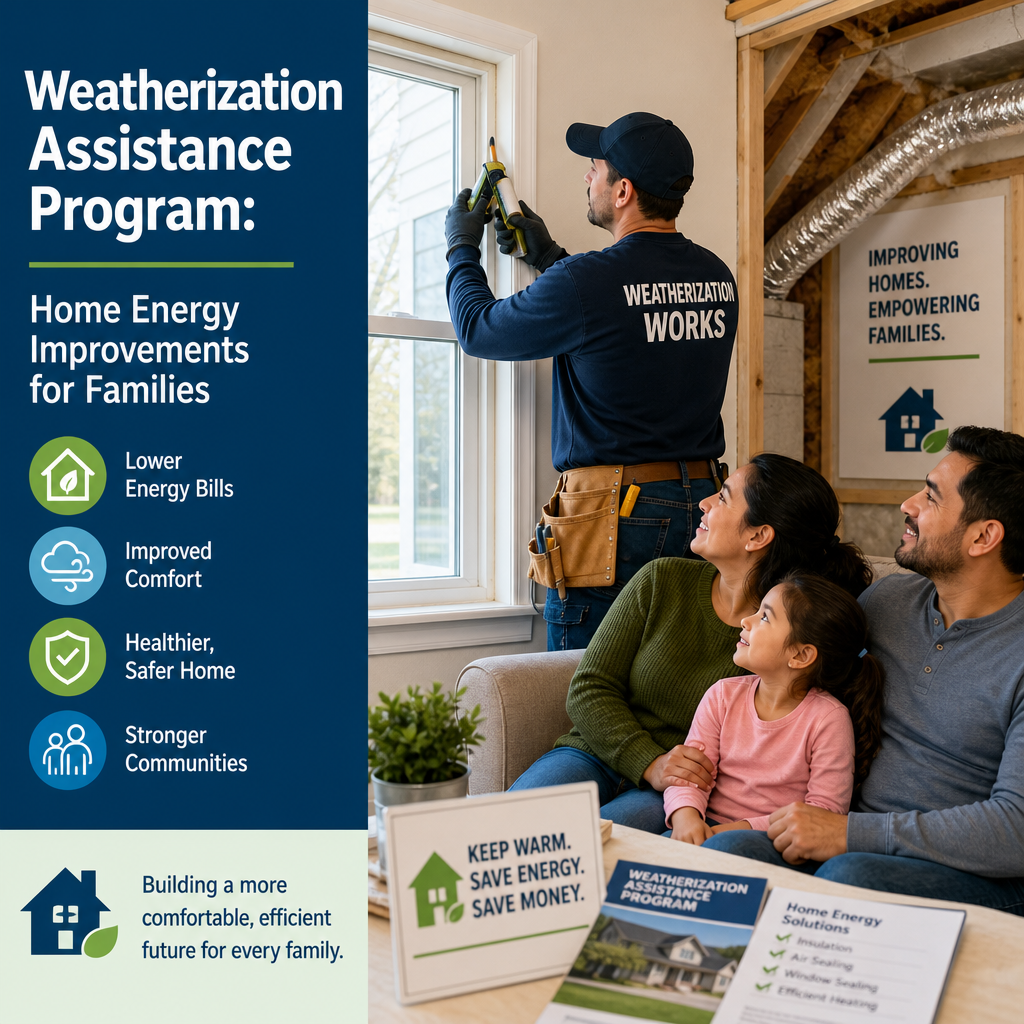
The Weatherization Assistance Program helps eligible families lower energy bills and improve home comfort with practical upgrades like insulation, air sealing, and heating repairs. It’s a smart, no-debt way to make a home safer, more efficient, and easier to live in year-round.
By: Emily Adams on July 29, 2026
Rising utility bills can make an already tight household budget feel even tighter. For many families, the Weatherization Assistance Program offers a practical way to lower energy costs, improve comfort, and make a home safer without taking on debt. This federally supported program helps eligible households reduce heat loss, stop drafts, and improve overall energy efficiency through targeted home energy improvements.
If you’ve ever wondered whether your home could benefit from better insulation, a sealed attic, or a more efficient furnace, the Weatherization Assistance Program may be worth exploring. It focuses on real, visible improvements that can make a meaningful difference over time—especially for families with limited income, seniors, people with disabilities, and households with children.
What Is the Weatherization Assistance Program?
The Weatherization Assistance Program is a federal program that helps income-qualified households make their homes more energy efficient. In practice, that means trained professionals assess a home and complete cost-effective improvements designed to reduce energy waste and improve comfort.
The program is typically administered through state or local agencies, but funding and general oversight come from the U.S. Department of Energy. Services can vary by location, but the goal is the same: help families spend less on heating and cooling while making homes healthier and more comfortable.
What kinds of improvements are included?
A weatherization project often includes a combination of upgrades, such as:
Adding or improving attic, wall, or floor insulation
Sealing air leaks around doors, windows, and utility penetrations
Repairing or replacing inefficient heating equipment
Servicing water heaters
Installing energy-efficient lighting
Inspecting ventilation and combustion safety
Repairing minor issues that affect energy performance
These home energy improvements are not cosmetic. They’re meant to address the biggest sources of energy loss first, which makes the program a smart investment for families and taxpayers alike.
How the Weatherization Assistance Program Helps Families
The biggest value of the Weatherization Assistance Program is simple: it helps families keep more of their money.
When a home leaks air or lacks insulation, heating and cooling systems must work harder to maintain a comfortable temperature. That often leads to higher energy bills and uneven indoor temperatures. Weatherization reduces that burden by improving the home itself.
Common benefits include:
Lower energy use
More stable indoor temperatures
Fewer drafts and cold spots
Better indoor comfort in extreme weather
Potentially improved equipment performance
Safer operation of heating appliances
For families living paycheck to paycheck, even modest monthly savings can create room in the budget for groceries, transportation, childcare, or emergency expenses. Beyond the financial impact, many households also notice that their homes simply feel better after weatherization work is completed.
Who Qualifies for the Weatherization Assistance Program?
Eligibility rules vary by state, but the program is generally designed for income-qualified households. Most states use federal income guidelines to determine who can receive services.
In many cases, priority may be given to:
Households with older adults
Families with children
People with disabilities
Homes with high energy burdens
Residents who use a high percentage of income for utility costs
Households receiving certain public assistance benefits
Other factors that can affect eligibility
Some programs consider:
Household size and income
Whether the home is owner-occupied or rented
The condition of the home
The type of heating system
Location and climate zone
Renters may still qualify, though the property owner may need to approve the work. If you rent your home, it is worth asking your local agency whether they serve tenants in your area.
What Happens During a Weatherization Audit?
Before any work begins, most homes go through an energy audit or home assessment. This step helps the weatherization team identify where energy is being lost and which improvements will provide the greatest benefit.
A typical audit may include:
Inspecting insulation levels
Checking for air leaks
Testing heating systems
Looking at ventilation and indoor air quality
Evaluating windows, doors, and ductwork
Examining appliances and water heaters for efficiency issues
The assessor uses this information to create a work plan based on the home’s needs. That means the program doesn’t use a one-size-fits-all approach. Instead, it targets the most cost-effective home energy improvements first.
Why the audit matters
A home energy audit helps avoid unnecessary work. For example, installing more insulation without addressing major air leaks may not deliver the full benefit. Similarly, sealing a home too tightly without proper ventilation can create moisture or air quality problems. The audit ensures the work is both effective and safe.
Typical Home Energy Improvements Provided
The exact services available through the Weatherization Assistance Program depend on the home’s condition and local program guidelines, but several improvements are common across many projects.
Insulation upgrades
Insulation is one of the most effective ways to reduce heat transfer. In older homes, attic insulation is often insufficient or uneven. Adding insulation can help keep warm air inside during winter and reduce heat gain in summer.
Air sealing
Air sealing addresses small gaps and cracks that allow conditioned air to escape. Common leak locations include:
Around windows and doors
Electrical outlets and switch plates
Plumbing and wiring penetrations
Attic hatches
Basement rim joists
Duct connections
Even minor leaks can add up, especially in older homes.
Heating system repair or replacement
If a furnace, boiler, or space heating system is unsafe or inefficient, the program may repair or replace it, depending on the situation and local rules. This can improve comfort and reduce energy waste.
Ventilation and safety checks
Energy efficiency should never come at the expense of health and safety. Weatherization crews often check for combustion risks, carbon monoxide concerns, and ventilation needs, especially in homes with gas appliances or older equipment.
Lighting and minor efficiency measures
Some homes also receive energy-saving light bulbs or other small upgrades that support overall efficiency. While these measures may be modest, they can contribute to reduced electricity use over time.
How to Apply for the Weatherization Assistance Program
The application process usually begins with a local or state weatherization office. Since the program is managed through local agencies, the exact steps can differ from one area to another.
Basic application steps often include:
Find your local weatherization office
Search for your state’s program or local community action agency.
Submit an application
You may need to provide household income, address, and household size.
Provide documentation
This may include pay stubs, benefit letters, tax forms, or proof of residence.
Wait for eligibility review
Your application is reviewed based on income and program priority.
Schedule the audit
If approved, a home energy assessment is arranged.
Complete the improvements
Crews complete approved work based on the audit findings.
Because demand can be high, some households may be placed on a waiting list. It’s best to apply as early as possible, especially before the peak heating or cooling season.
What Homeowners and Renters Should Know
The Weatherization Assistance Program is often thought of as a homeowner benefit, but renters may also qualify. The main difference is that the property owner may need to consent to the work.
For homeowners
Homeowners usually have the most flexibility because the improvements benefit the property directly. If you own your home, you can typically move forward more easily once you meet eligibility requirements.
For renters
If you rent, ask questions such as:
Does the local program serve rental homes?
Will the landlord need to sign a consent form?
Are there limits on the types of improvements allowed?
Will the work affect your lease or rental agreement?
Renters should also talk with their landlords early. Many landlords are open to weatherization because the upgrades can improve property value, reduce maintenance issues, and make the unit more attractive to tenants.
Weatherization vs. DIY Energy Fixes
There’s a big difference between a weekend DIY project and a professionally planned weatherization job. Both can help, but the Weatherization Assistance Program offers a more comprehensive approach.
DIY improvements may include:
Replacing weatherstripping
Installing door sweeps
Using caulk to seal gaps
Adding outlet covers
Switching to LED bulbs
These are useful, low-cost steps that many families can do themselves. However, they usually don’t address larger issues like poor attic insulation, duct leakage, or unsafe heating equipment.
Professional weatherization offers:
A full-home assessment
Prioritized, data-driven upgrades
Safety checks
Specialized equipment and training
Cost-effective improvements that target major energy losses
If your utility bills are high and your home still feels drafty after simple fixes, professional weatherization may provide a stronger long-term solution.
How to Prepare Your Home for Weatherization Work
If your application is approved, a little preparation can help the process go smoothly.
Before the crew arrives:
Clear access to the attic, basement, utility room, and crawl spaces
Move items away from walls and vents if possible
Make sure pets are secured
Gather any requested paperwork
Write down comfort problems or safety concerns you’ve noticed
You may also want to mention rooms that are consistently too hot, too cold, or unusually drafty. That information can help the crew better understand where the home is losing energy.
Is the Weatherization Assistance Program Worth It?
For many families, yes. The Weatherization Assistance Program can be one of the most practical forms of home energy support available because it addresses the structure and systems of the house itself.
It may be especially worthwhile if:
Your utility bills are difficult to manage
Your home has noticeable drafts
Some rooms are always colder or hotter than others
Your heating system seems to run constantly
Your home was built before modern energy codes
You live in an older, under-insulated house
The improvements may not turn an old home into a new one, but they can make a meaningful difference in comfort, safety, and monthly expenses.
Tips for Getting the Most from Home Energy Improvements
Once weatherization work is complete, a few ongoing habits can help you maximize the benefit.
Helpful follow-up steps:
Replace HVAC filters regularly
Keep vents and registers unblocked
Use programmable or smart thermostat settings when appropriate
Continue sealing minor air leaks as needed
Monitor your utility bills for changes over time
Schedule routine maintenance for heating and cooling systems
Weatherization is not a substitute for maintenance, but it gives your home a stronger starting point. When the building envelope is tighter and more efficient, your HVAC system can often work more effectively.
Frequently Asked Questions
1. What is the Weatherization Assistance Program?
The Weatherization Assistance Program is a federally supported program that helps eligible low-income households improve home energy efficiency. It usually includes services like insulation, air sealing, heating system repairs, and safety checks.
2. Does the Weatherization Assistance Program cost anything?
In many cases, approved households receive services at no cost. However, the program and available funding can vary by state, so it’s important to check with your local weatherization office for specific details.
3. Can renters apply for weatherization help?
Yes, renters may qualify in many areas. The landlord usually must approve the work, and the property may need to meet certain program requirements. Local agencies can explain what applies in your state.
4. How long does weatherization work take?
The timeline depends on the size and condition of the home, local staffing, and what repairs are needed. Some homes may only require a short visit, while others need more extensive work over several days.
5. What if my home needs repairs before weatherization can be done?
If the home has serious structural or safety issues, those problems may need to be addressed before weatherization can proceed. Local agencies can tell you whether the home qualifies and what repairs, if any, are required first.
The Weatherization Assistance Program gives families a practical way to improve their homes, lower energy waste, and create a more comfortable living environment. By focusing on the areas where a home loses the most heat or cooled air, the program delivers targeted home energy improvements that can help reduce utility costs without placing extra financial strain on households.
For many families, the benefits go beyond savings. Better insulation, sealed air leaks, safer heating systems, and improved ventilation can make everyday life feel more stable and manageable. That matters whether you’re trying to stretch a monthly budget, protect your family during extreme weather, or bring an older home up to a better standard of efficiency.
If you think your household might qualify, the best next step is to contact your local weatherization office and ask about the application process. Even if there’s a waitlist, getting started now can put you on the path toward a safer, more efficient, and more affordable home.
Emily A, holds a Master's degree in Public Administration (MPA) and has over 7 years of experience researching federal and state assistance programs. She writes educational content focused on government benefits, public policy, and community resources, using information from official agencies to help readers understand available programs and eligibility requirements.